
Last Updated on: 1st January 2026, 10:32 pm
Are you planning a trip to Vietnam? You’re in for an incredible adventure filled with amazing street food, nice views, and some of the friendliest people you’ll ever meet. But before you start dream of banh mi and motorbike rides through Hanoi, let’s talk about important question that how to get your hands on Vietnamese Dong.
When the first time I looked at Vietnamese currency, all those zeros made my head spin. A bowl of pho for 50,000 dong? Looks like expensive until you realize that’s about two dollars. Don’t worry, you’ll get used to it faster than you think.
What is Vietnamese Dong?
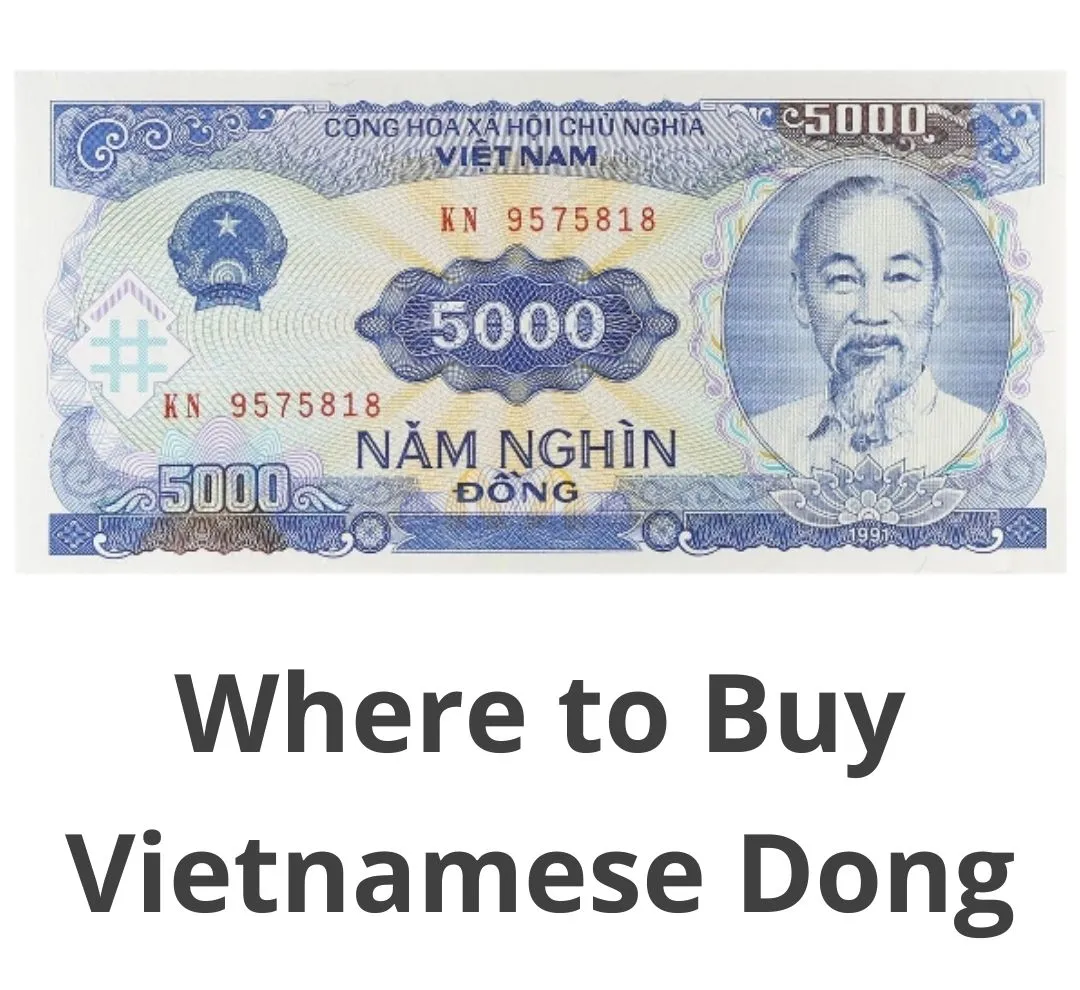
The Vietnamese Dong (VND, symbol: ₫) is one of those currencies that makes you feel rich just after you hold it. You’ll deal mostly with paper notes since coins are basically non-existent in everyday transactions.
Here’s my advice that saved me from several awkward moments: the 20,000 and 500,000 dong notes look surprisingly similar—they’re both bluish. Always double-check before handing over cash, unless you want to accidentally pay twenty-five times more for your coffee than you intended.
Also Check, PayPal to start withdrawal using cryptocurrency wallet
Should You Exchange Money Before Leaving Home?
I can save you some money in my opinion that don’t exchange currency at your home country’s bank or airport before you fly. The rates are terrible, and you’ll lose a significant chunk of your travel budget before you even board the plane.
Vietnam has good amount of options to get local currency once you arrive, and you’ll get much better rates. The only exception that maybe exchange enough for a taxi and your first meal at the airport when you land, just to have money in your pocket.
Here’s The Best Options to Get Vietnamese Dong
1. Gold and Jewelry Shops
This can surprise you, but licensed gold and jewelry shops often give you the best exchange rates in Vietnam. It’s completely normal and safe, though it might feel a bit unusual if you’ve never done it before.
In Hanoi, head to Ha Trung Street in the Old Quarter. Places like Quoc Trinh Gold Shop at 27 Ha Trung or Nhat Quang at 57 Ha Trung are well-known and trusted by both tourists and locals. Just walk in, ask for the current rate, and if you’re happy with it, hand over your cash.
In Ho Chi Minh City, you’ll find similar shops around Ben Thanh Market in District 1. Ha Tam Jewelry Store and Kim Mai Jewelry Shop are popular places.
You need to count your money before you leave the shop, and don’t be shy about taking your time to do it carefully.
2. ATMs: Convenient but Watch the Fees
ATMs are everywhere in Vietnam’s cities, and they’re probably your safest option. You’ll get a decent rate, and there’s no awkward negotiation involved. However, fees can add up quickly.
Expect to pay somewhere between 40,000 to 100,000 dong per transaction (that’s about $1.50-$4), plus whatever your home bank charges for international withdrawals. Daily limits usually range from 2 million to 10 million dong per transaction.
My Advice: Keep in mind, always choose to be charged in Vietnamese Dong, not your home currency. When the ATM asks if you want to accept their conversion rate, decline it. This trick alone can save you 3-5% on every withdrawal.
3. Banks: Safe But Very Slow
Vietnamese banks like Vietcombank and BIDV will exchange your money at official rates. They’re the most secure option, especially if you’re exchanging large amounts. You’ll need your passport, and the process takes longer than other options.
Banks also tend to be picky about the condition of your foreign notes. Bring crisp, unmarked bills that is torn or marked notes might be rejected or hit with an extra fee.
4. Airport Exchange Counters
Airport exchange rates are universally bad, and Vietnam is no exception. Only use these if you urgently need cash the moment you arrive. Exchange just enough for immediate expenses like 500,000 to 1,000,000 dong—then find a better rate in the city.
Also Check, new value of the Emirati Dirham in UAE
5 Important Money Tips for Vietnam
- Bring Pristine Foreign Currency: This is crucial. Vietnamese money changers are strict about bill condition. Any tears, excessive folds, or writing on your USD or EUR bills will either be rejected or exchanged at a lower rate. Ask your home bank for fresh, crisp notes before you travel.
- Cash is Still Important: While hotels and upscale restaurants accept cards, much of Vietnam runs on cash. Those incredible street food meals, local markets, and small family-run shops? Cash only.
- Check the Exchange Rate First: Before you exchange anything, check sites like XE.com to see the current mid-market rate. This gives you a baseline to evaluate whether you’re getting a fair deal.
- Keep Small Bills On Our Hand: Don’t break a 500,000 dong note for a 20,000 dong purchase. Always keep smaller denominations available.
- Stay Safe: Use hotel safes for extra cash. Be discreet when handling money in crowded places, especially in tourist areas and markets.
My Last Thoughts
You don’t need to be stressful to get Vietnamese Dongs. Arrive with some USD or EUR in pristine condition, take a small amount at the airport for urgent requirements, then find a reputable gold shop or use ATMs strategically throughout your trip.
The most important thing is that don’t let currency concerns overshadow your adventure. Vietnam is an incredible country with so much to offer. Once you’ve got some dong in your pocket, get out there and enjoy every moment i.e. from the busy streets of Saigon to the tranquil waters of Ha Long Bay.
Have a safe travels, and don’t forget to try the egg coffee in Hanoi. You can thank me later.

📰 Meet Our Newest Author: Farhan Ahmed
We are thrilled to welcome Farhan Ahmed, a dynamic addition to our team of seasoned writers at TheEducationistHub.com. Farhan Ahmed is a highly skilled professional with a robust background in the realms of SEO, blogging, and the latest news trends.
🎓 Educational Background: Farhan Ahmed is a proud graduate of Karachi University, holding a Master’s in Business Administration (MBA). This academic foundation has not only equipped Farhan Ahmed with a strategic mindset but has also instilled a deep understanding of business dynamics.
💼 Professional Journey: With an impressive 4 to 5 years of hands-on experience in the field, Farhan Ahmed brings a wealth of expertise to our newsroom. Having navigated the intricacies of SEO and blogging, Farhan Ahmed has honed the art of crafting content that not only engages but also performs exceptionally well in the digital landscape.
📝 Writing Prowess: Farhan Ahmed specializes in distilling complex information into digestible and engaging pieces. Their knack for identifying and covering trending news and updates ensures that our readers stay well-informed on the latest developments across various domains.
🌐 Digital Savvy: In an era where the online landscape is ever-evolving, Farhan Ahmed is well-versed in leveraging digital tools and strategies to maximize the reach and impact of their work. Their proficiency in SEO ensures that our content not only informs but is also easily discoverable by a wider audience.
We are confident that Farhan Ahmed will play a pivotal role in enhancing the quality and relevance of the content we deliver to our readers. Join us in extending a warm welcome to Farhan Ahmed as we look forward to an exciting journey of insightful updates and news coverage.
Stay tuned for the latest from TheEducationistHub.com with Farhan Ahmed on board!